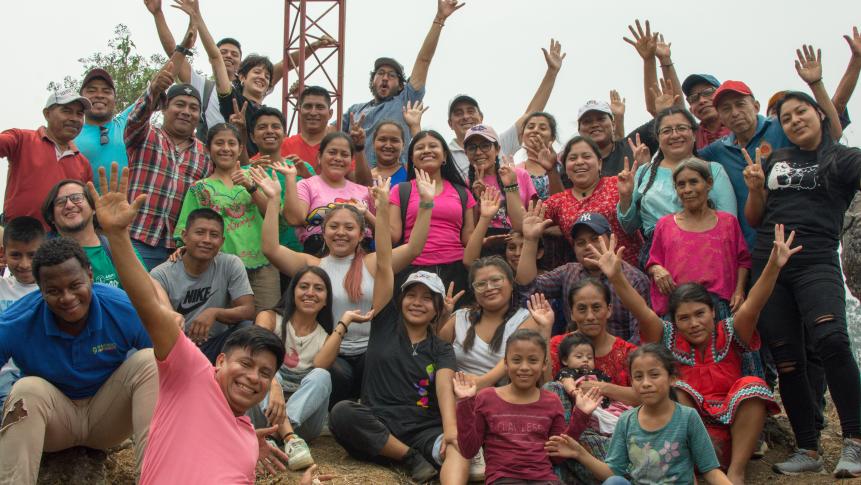
Fotos: Andrés Bonifacio


Birth of the Central American Telecommunications and Broadcasting Training Programme for Indigenous and Rural Communities
“The programme not only enhanced my technical knowledge, it also taught me the value of empathy, active listening and teamwork. It allowed us to learn about Central America’s diverse realities and expand our perspective of the challenges and dreams of our communities.”
Edvin Velázquez, a young Itzá Maya man from Guatemala
Picture this setting: a plaza, trees, children playing, damp earth, crops, sun, rivers, seas, seashells tinkling and people gathering together. It will probably sound familiar, as we all live or have been in a place like this, because that is what many rural communities in Latin America are like. And Central America is not the exception.
In some of these areas, in addition to the living landscape, we can also see different kinds of antennas and perhaps even solar panels. However, the truth is that many of these communities have unequal access to information and communications technologies (ICTs).
For many years, organisations such as ours in this region, working on communication issues in rural communities, have seen training experiences flourishing in Mexico, Argentina or Brazil, and we have wondered when the time would come that we would have something like that in Central America.
That moment has arrived. Not by chance, but the way that transformative initiatives are born: from a collective dream. A dream that came true for us when we met with people and organisations that share the same vision. That is how the Central American Telecommunications and Broadcasting Training Programme for Indigenous and Rural Communities was born.

The first step towards realising this dream was taken in 2023, in Costa Rica, where an in-person meeting brought together key organisations, including Red Centroamericana de Radios Comunitarias Indígenas, Escuela Mesoamericana de Liderazgo, REDES A.C., Cooperativa Sulá Batsú and Rhizomatica. These organisations all had extensive experience in providing support for community processes, so together we reflected on the training that was needed to strengthen community and Indigenous communications and telecommunications projects in the region.
That was just the beginning. Following an open call, 25 Indigenous and rural communicators were selected to participate. They came from El Salvador, the Maya, Kaqchikel and Q’eqchi’ peoples of Guatemala, the Guna and Emberá peoples of Panama, the Garifuna and Miskito peoples of Honduras and the Ngäbe and Cabécar peoples of Costa Rica.

The first phase, implemented throughout 2024, focused on capacity building in areas such as communication strategies, basic electricity, community networks, telecommunications, project management and solar power. The modules were held in El Salvador, Guatemala, Belize and Costa Rica, where participants also learned about local experiences and, as part of the practical learning process, they received assistance in the installation of a community internet network at the Kamolbé radio station in Cobán, Guatemala.
Beyond the technical, however, what this process is building is a space for gathering, for trust and for collective dreams. We dream of reclaiming our languages, our dances and our cultural and territorial independence. We dream of being able to decide about our own telecommunications future, of preserving our knowledge, our histories and our ancestral ways of life. And we are moving forward, together, to make those dreams come true.
Voices from experience

The value of this programme is best understood in the words of those who participated. Rosa Concepción Ajanel Ajpacajá, a K’iché Maya woman from Totonicapán, Guatemala, shares some of the nervousness and doubts that come with embarking on a new learning path:
“When I first met my fellow participants from other countries, I felt a bit unsure, because I did not know what they would be like. And it turned out that we became great friends. I found the topics difficult, but the workshop instructors shared a wealth of knowledge with us.”
Not everything is simple, and it is our nature as human beings to experience fear, illness and fatigue. This was something that the participants faced in the programme; however, other things stand out, such as the technical learning that became a bridge towards autonomy and equity:
“I take with me the knowledge and the similarities among the cultures of the Indigenous communities of the countries involved, as well as the friendships and the camaraderie. […] Before this, I used to have to pay to have network or audio cables installed. Now I can do it myself. I learned to edit audio and video files and, as a woman, that gives me enormous satisfaction.”
This programme seeks to empower women by enabling them to access technical roles that they have traditionally been excluded from, to overcome the limitations that relegate them to organisational and care-giving tasks, in order to recognise and leverage their full capacity in all spheres.

For his part, Ismael Francisco Chavajay Tzoc, a young Tz’utujil Maya man, highlights the richness of the generational exchange:
“What struck me most was the real integration of knowledges. There were adults among us who had a long background in radio broadcasting and then there were us young people, with fresh ideas and eager to innovate. It was not a one-way teaching experience; it was mutual learning.”
Ismael tells us that the programme was more than just technical:
“Each session was a space for dialogue and interaction where we all learned. This experience shaped my path and strengthened my commitment to working for the well-being of our communities.”
This dialogue of knowledges showed that true innovation comes from collective listening. A vision that is enriched by the sharing of the different realities of the region. From Honduras, Nahúm González, a young Garifuna man, gives a complementary view of the experience:
“Besides the technical aspects, I understood that clean energy represents independence and sustainability for our peoples. We also learned about community wireless networks. Learning how to connect schools and community centres in remote areas was a transformative experience. It motivated me to think about how to replicate these initiatives in my region, promoting digital autonomy and collaboration among communities.”
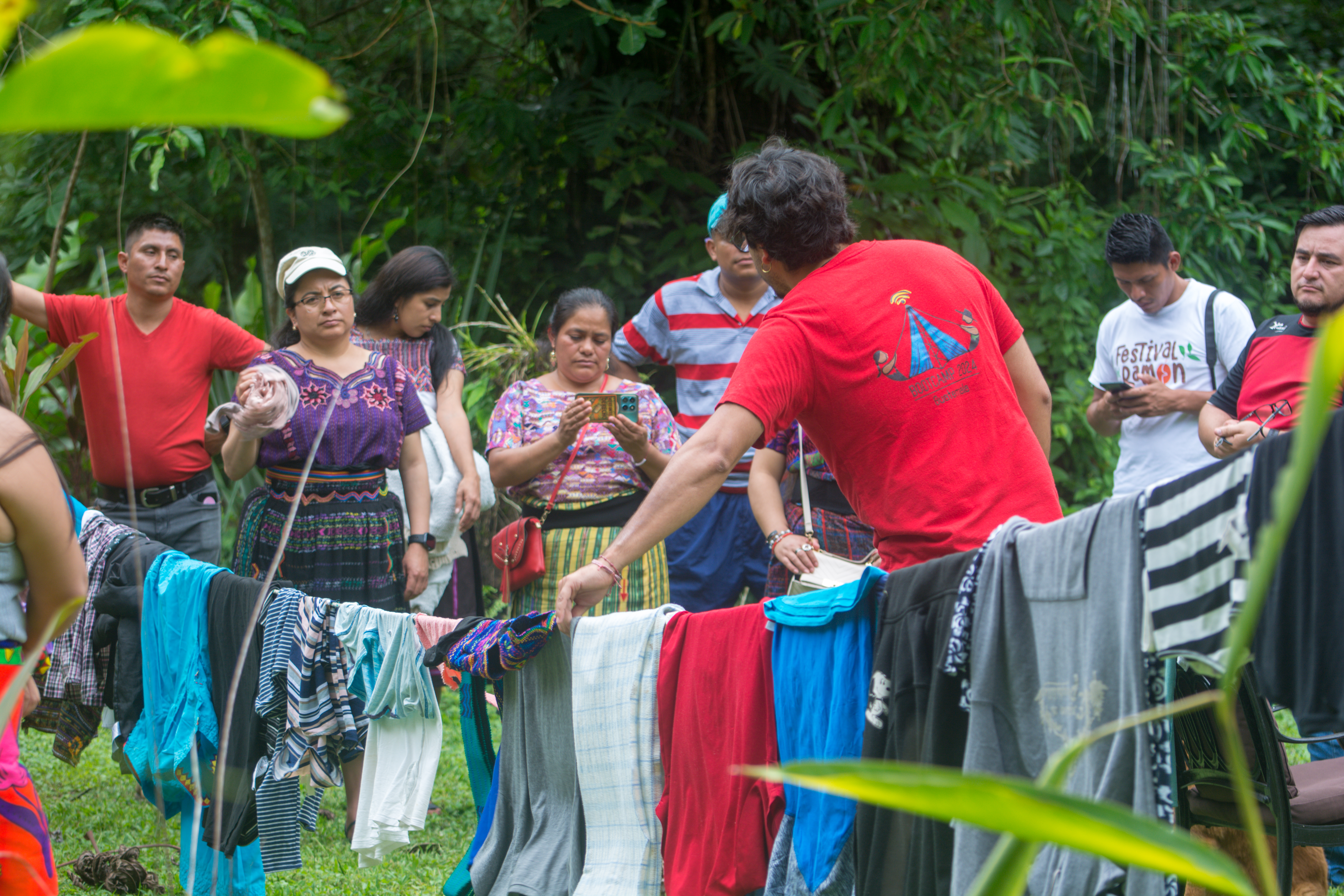
Nahúm links what he has learned in the modules to the social and environmental challenges faced by their communities and to how technology emerges as a key tool for community self-management.
Despite the difficulties encountered, a support network was generated that transformed personal challenges into a collective commitment. That is how Joyce Mezúa, of the Emberá-Wounaan comarca, in Panama, experienced it:
“At first it felt daunting and unfamiliar. It was the first time we worked on such technical communication matters, and I felt the responsibility of having to share what I learned with my community. One of the hardest parts was when I had to organise myself to meet the requirements of both the programme and my university studies. But with the support of my peers, I was able to overcome these challenges.”
What this programme achieved, besides the technical training, was the creation of a space where a collective dream was translated into action. It gathered Indigenous and rural communicators, united by similar struggles and emotions, forging a network of support and trust among all the participating countries. As Joyce puts it:
“I take so many experiences with me, as well as a strong sense of community. Even though we were from different countries, when we came together again we did not feel like strangers. Programmes such as this are essential for strengthening the leadership and autonomy of Indigenous, Afro-descendent and local communities.”
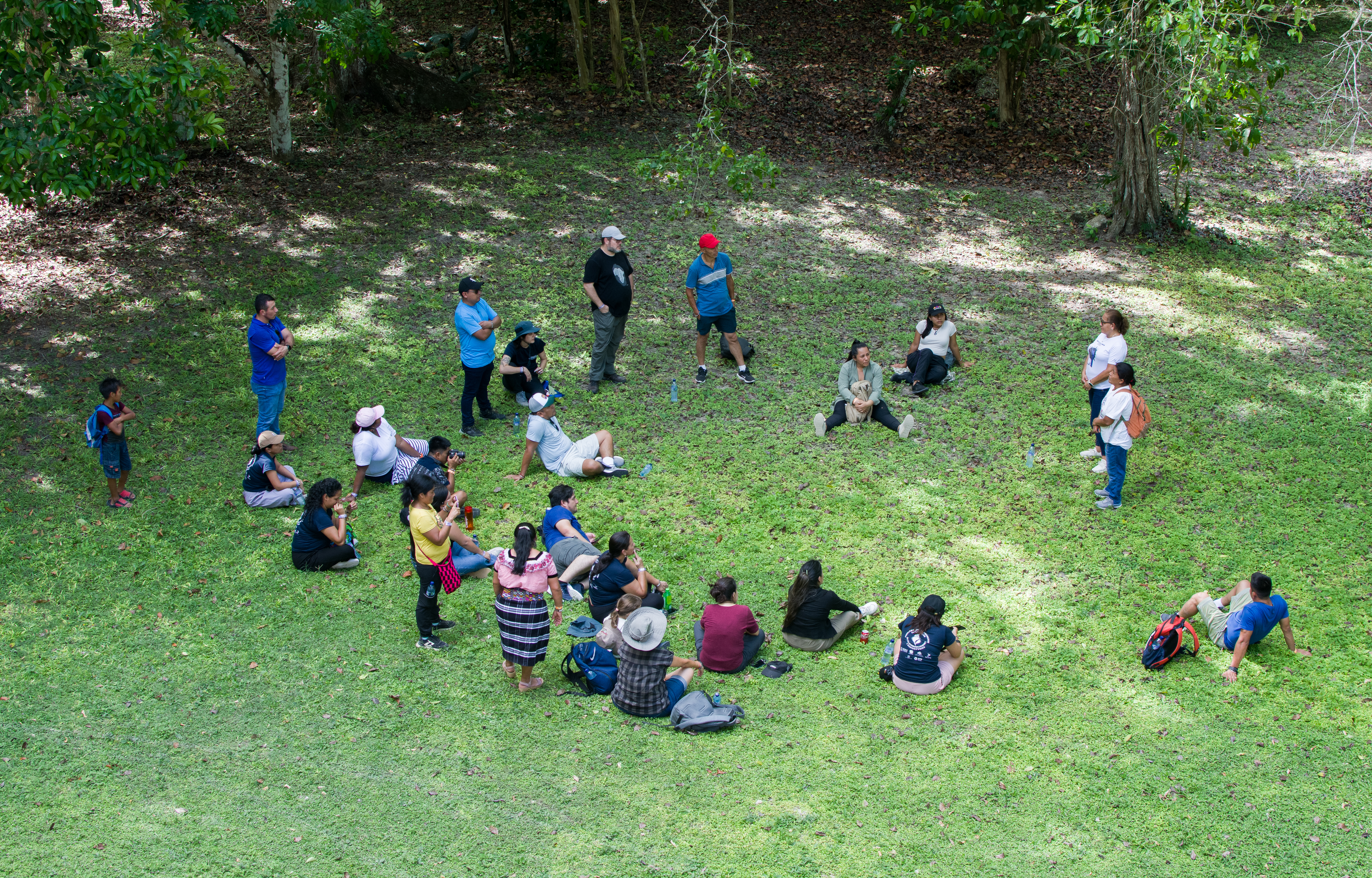
We are currently finishing the second phase of the programme, which involved the implementation of community projects supported by micro-grants. This allowed participants to make a difference in their communities and strengthen areas such as cultural preservation, local capacity building, youth empowerment, access to technologies and visibility of Indigenous identities. It also enabled participants to learn about carrying out projects, including design, budgeting, coordination, accountability and monitoring.
We hope that this is the first step on a journey where, guided by our identity and with the work of our hands, we will continue to transform the reality of our region.

This article was originally published in Spanish by Comunicares.
All photos were taken by Andrés Bonifacio.
Catalina Trejos Sánchez is a communications specialist from Costa Rica with a master’s degree from the Autonomous University of Barcelona. She has over 10 years of experience working with community media and capacity building in Indigenous and rural communities. She currently coordinates a regional training programme and collaborates with REDES A.C., Rhizomatica and the Local Networks (LocNet) project, led by APC and Rhizomatica, to strengthen community-led communication initiatives.