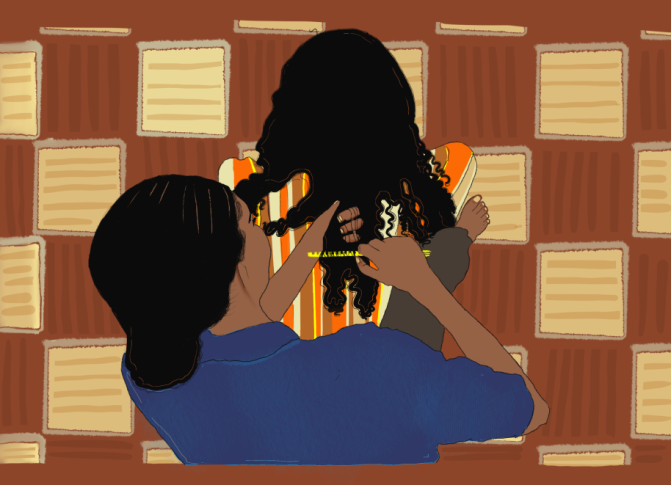


In our increasingly globalised world, social media and the internet often reflect and at times worsen offline inequalities for marginalised groups, including the LGBTQIA+ community. While these platforms can amplify marginalised voices, they also risk perpetuating discrimination through cyberbullying and online gender-based violence (OGBV). This qualitative research explores the manifestations and impacts of OGBV against LGBTQIA+ individuals in Ethiopia, a context where criminalisation, social stigma and systemic exclusion prevail. The study draws on 48 in-depth interviews with LGBTQIA+ individuals across Ethiopia, alongside eight key informant interviews with feminist advocates. Additional data were gathered through document reviews and social media content analysis. Using an intersectional feminist lens and thematic analysis, the study uncovers the complex and multi-layered nature of digital violence in the Ethiopian context.
The findings reveal that online platforms, while serving as spaces for community-building and visibility, have also become arenas of targeted and coordinated attacks. Among the most harmful forms of OGBV identified are outing and doxxing, which often lead to physical violence, family rejection and community ostracisation. Online incitement to mob justice, frequently fuelled by religious leaders, influencers and public figures, exacerbates this violence by framing queer existence as a threat to national identity and moral values. The psychosocial toll OGBV has on LGBTQIA+ individuals is profound, manifesting as anxiety, depression, fear and digital self-censorship. Despite these challenges, participants demonstrate resilience through strategies such as queer community support, reimagined spiritual practices and grassroots advocacy.
The study calls for intersectional and human-centred responses to OGBV that underscore the urgency of amplifying LGBTQIA+ voices in technology governance, mental health services and human rights advocacy. The study findings will be disseminated through publications, exhibitions and workshops.
This work forms part of the third edition of the Feminist Internet Research Network (FIRN) project, supported by the APC Women’s Rights Programme and the International Development Research Centre (IDRC).