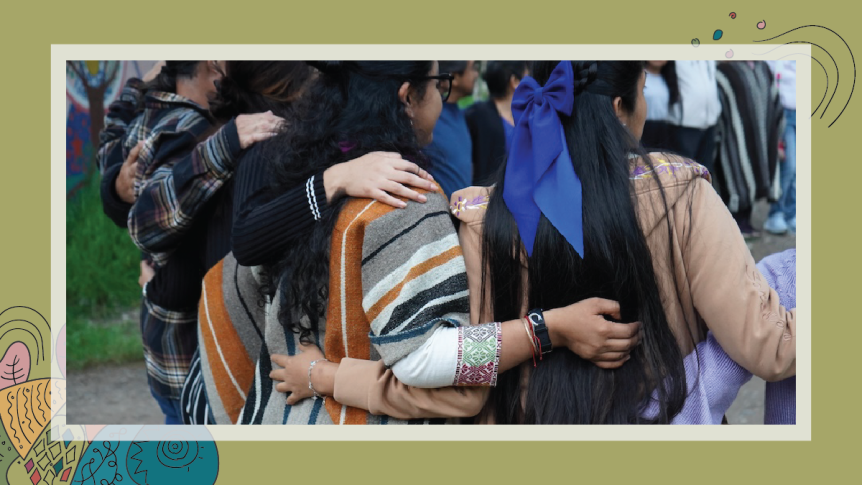


En un mundo que se siente más desconectado día a día, mediado por tecnologías digitales que a menudo nos separan en lugar de acercarnos, la fragmentación se ha convertido en una estrategia silenciosa. Si las personas no se conocen, no se miran, no se escuchan con atención, se vuelve más difícil organizarse, cuidar e imaginar futuros colectivos. Por eso es importante reunirse. Por eso el conocerse, el compartir historias y construir empatía, es algo casi mágico.
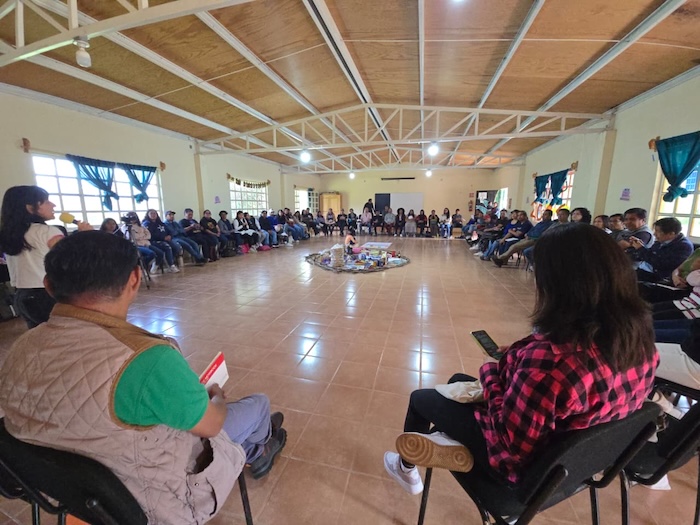
Entre mayo y diciembre de 2025, Redes por la Diversidad, Equidad y Sustentabilidad A.C., organización miembro de la Asociación para el Progreso de las Comunicaciones (APC) en México, fue testigo de esta magia al organizar el «Foro Indígena por la Autonomía y la Agenda Política en Telecomunicaciones Comunitarias». Este proyecto, apoyado por las subvenciones de APC para la incidencia y el fortalecimiento institucional, fue más que una simple reunión: se trató de construir la soberanía digital.
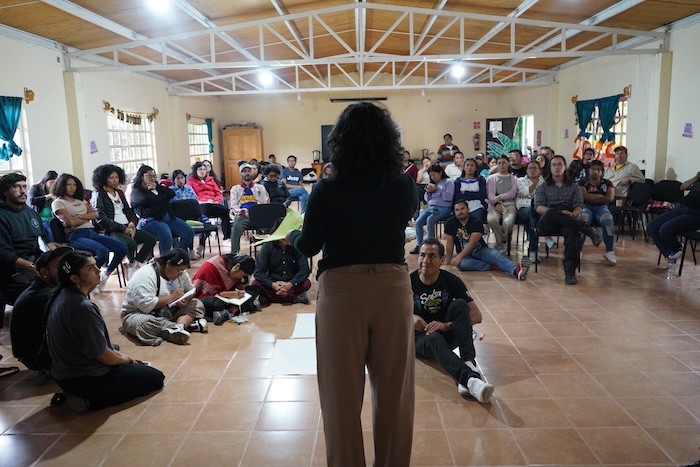
Cuando comunicadores indígenas, colectivos de radios comunitarias y de redes comunitarias se unieron a través de este proyecto, muchos llegaron con realidades muy duras: como la creciente inseguridad en sus territorios, proyectos extractivistas, reducción del espacio público para voces independientes y sistemas regulatorios que se sienten distantes e impuestos. Para ellxs, la comunicación no es solo una profesión: es una forma de proteger su entorno, su lengua, su memoria y la propia vida comunitaria.
Arraigo en las comunidades
Este proyecto convocó una serie de sesiones temáticas y diálogos que reunieron a comunicadores indígenas, representantes de medios comunitarios, expertos en temas legales y organizaciones de la sociedad civil. Creó espacios a lo largo del año donde las personas pudieron respirar, reconectar y hablar con honestidad sobre lo que enfrentan.
Entre las actividades organizadas, se realizaron sesiones de capacitación especializada, impartidas por expertos en políticas sobre temas como la regulación de las telecomunicaciones, los modelos de acceso al espectro, la política satelital, los regímenes de radiodifusión pública y los derechos de los usuarios. Además de aprender sobre leyes y regulaciones, las y los participantes reflexionaron sobre la autonomía, la gobernanza comunitaria y cómo las comunidades han contribuido históricamente al cambio, incluso cuando el sistema legal se encontraba rezagado. Para muchas personas, esta fue la primera vez que experimentaron las discusiones regulatorias no como algo externo, sino como algo que podían comprender, cuestionar e influir colectivamente.
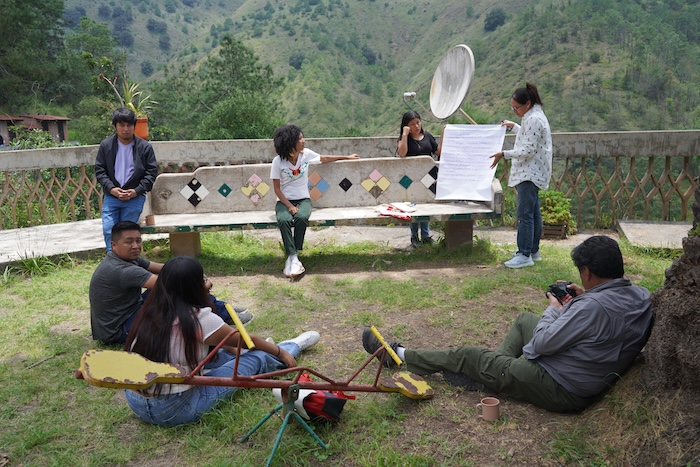
Una preocupación regulatoria concreta se relaciona con los operadores móviles virtuales indígenas (OMV). Los OMV indígenas son iniciativas comunitarias de telecomunicaciones que ofrecen servicios móviles sin poseer espectro ni infraestructura central, operando mediante acuerdos con operadores ya existentes. En México, los OMV indígenas como Wiki Katat y TIC OMV representan un modelo único y pionero: se encuentran entre los únicos operadores móviles liderados por indígenas en el país, diseñados para expandir la conectividad en territorios históricamente excluidos, respetando la gobernanza comunitaria y los derechos colectivos.
Su importancia va más allá de la conectividad, ya que contribuyen a la autonomía digital, la sostenibilidad económica local y los servicios de comunicación culturalmente relevantes. Sin embargo, dado que operan con recursos limitados, bajo condiciones regulatorias injustas y enfrentan la competencia desleal de operadores gubernamentales, su sostenibilidad a largo plazo sigue siendo frágil. Por ello, las organizaciones de la sociedad civil siguen abogando por marcos regulatorios que reconozcan y protejan estos modelos.
Bajo la ley actual, los usuarios estarían obligados a registrar y vincular sus números de teléfono a documentos de identidad personales (acta de nacimiento y CURP), lo cual representa un problema por diversas razones. En primer lugar, en México hay personas en comunidades rurales, remotas e indígenas que no tienen sus documentos de identidad en regla, lo que restringe directamente su derecho a la comunicación y al acceso a los servicios. En segundo lugar, vivimos en un contexto de vigilancia donde periodistas y defensores de la tierra son monitoreados por el propio Estado [1].
Vincular la identidad personal a los números de teléfono generaría, por lo tanto, graves riesgos de seguridad para las personas y las comunidades. En tercer lugar, este requisito genera un costo administrativo adicional por usuario para los OMV indígenas, quienes ya enfrentan desafíos de sostenibilidad económica y competencia desleal de los servicios gubernamentales.
Con base en la realidad de las comunidades locales, presentamos solicitudes formales de no vinculación (cartas de solicitud de exención) para que las comunidades indígenas del OMV no estuvieran obligadas a cumplir con la vinculación obligatoria del número de identidad y que no se les suspendiera el servicio. Paralelamente, contactamos con un bufete de abogados para explorar la posibilidad de interponer una acción constitucional, ya que estas medidas podrían violar principios constitucionales y derechos fundamentales.
Resiliencia colectiva y futuros digitales indígenas
Un cambio significativo surgió cuando los operadores móviles indígenas y las radios comunitarias pasaron de la incertidumbre y la preocupación a la acción colectiva concreta. En lugar de esperar a que se impusieran nuevas normas, se organizaron, redactaron solicitudes formales de exención, buscaron apoyo legal y defendieron públicamente su derecho a la comunicación, la privacidad y la seguridad. Esto transformó el miedo en iniciativa y el aislamiento en acción coordinada.
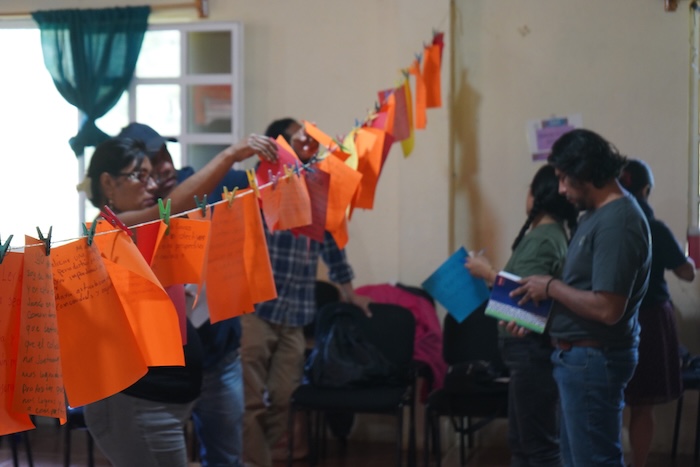
Pero quizás el cambio más significativo no fue solo técnico o legal. Fue también emocional y relacional. Las y los participantes redescubrieron que no están solos y que todas y todos soñamos con otros mundos posibles. "Estamos fortaleciendo los procesos de comunicación para la defensa del territorio, mientras que también encontramos maneras de incidir en los cambios a la nueva ley", en palabras de la comunicadora Eloisa Diez [3], quien describió este esfuerzo colectivo nacido de reflexiones compartidas. Al formar parte de un movimiento más amplio que defiende la comunicación como un bien común y un pilar de la autonomía comunitaria. "Hablamos del dolor y la opresión, pero también de lo que queremos sanar y compartir", añaden en el texto colectivo.
Este sentido de pertenencia y responsabilidad compartida fortalece la resiliencia e impacta directamente en la calidad de vida: las comunidades protegen su acceso a la información, fortalecen la expresión cultural, mejoran la seguridad colectiva y mantienen su capacidad de organizarse y cuidarse mutuamente.
El enfoque, que combina educación política comunitaria, análisis crítico del entorno legal y regulatorio, reflexión colectiva y herramientas prácticas de incidencia, puede adaptarse a otros territorios que enfrentan desafíos similares. Lo que se transmite no es solo la metodología, sino la convicción de que las comunidades pueden moldear la ley.
En tiempos de incertidumbre y fragmentación, elegir reunirnos, escuchar y actuar juntas y juntos ya es una forma de transformación. Este proyecto nos recuerda que los futuros digitales no solo se construyen con tecnología y leyes, sino también con relaciones, confianza e imaginación colectiva, para sostener nuestros sueños sobre el mundo que estamos construyendo con cuidado.
Mariana López Lima es licenciada en Derecho y en Comunicación y Producción Audiovisual. Coordina el área de incidencia política en REDES A.C., donde impulsa estrategias legales e iniciativas de políticas públicas para fortalecer la comunicación indígena y comunitaria. Ha participado como delegada mexicana en la Conferencia Mundial de Desarrollo de las Telecomunicaciones (CMDT) y en espacios regionales como la CITEL, así como en debates internacionales sobre regulación de plataformas y gobernanza digital. Su investigación ha sido publicada por LACNIC y cuenta con experiencia apoyando a comunidades en el desarrollo, la gestión y la defensa de sus propias infraestructuras de comunicación.
Notas:
[1] El año 2024 fue clasificado como el segundo más mortal, junto con 2021, dentro de la última década de casos documentados de ataques contra defensores ambientales y comunidades según registros del CEMDA, con 25 casos letales de agresión.
[2] De Palabra Tejida Colectiva del Encuentro Nacional de Medios de Comunicación Comunitaria, Indígena y Afromexicana, recopilada por Eloisa Diez a partir de las reflexiones e intercambios compartidos por los colectivos participantes durante el Encuentro Nacional de Medios Comunitarios, Indígenas y Afromexicanos, celebrado del 16 al 20 de julio de 2025, en Zautla, Puebla.
Este articulo también fue publicado en Comunicares.
Este artículo fue proporcionado por REDES A.C. como parte del proyecto “Foro Indígena por la Autonomía y la Agenda Política en Telecomunicaciones Comunitarias: Construyendo Soberanía Digital”, adaptado para la columna “Sembrando el cambio”. Esta columna presenta las experiencias de miembros y organizaciones asociadas a APC que recibieron financiación a través de los programas de subvenciones de APC, apoyados por la Agencia Sueca de Cooperación Internacional para el Desarrollo (SIDA - Swedish International Development Cooperation Agency), y de subvenciones ofrecidas a través de otros proyectos de APC.
¿Te inspiró esta historia a sembrar el cambio en tu comunidad? Compártela con nosotros en: communications@apc.org