

The South African School for Digital Policy, Community Networks edition, is being held from 12 to 16 April in Johannesburg. Meet the faculty and resource people that are part of it here:
Anriette Esterhuysen
 Anriette Esterhuysen served as the chairperson of the Multistakeholder Advisory Group of the United Nations Internet Governance Forum (IGF) from 2019 to 2021. She was executive director of the Association for Progressive Communications (APC) from 2000 to 2017 and continues to work with APC as Senior Advisor on Internet Governance. She convenes the annual African School on Internet Governance, a project of APC, Research ICT Africa at the University of Cape Town, and the African Union Commission. She serves on the governing bodies of the IGF Support Association, Connect Humanity, Digital Empowerment Foundation, and the South African Tertiary Education Network (TENET). Anriette was inducted into the Internet Hall of Fame as a Global Connecter in 2013 for her work in extending internet connectivity in Africa and received the Electronic Frontier Foundation Pioneer Award in 2015 for her work on defending and promoting human rights online.
Claire Dehosse

Claire is an associate at ALT Advisory. Claire holds BA and LLB degrees from Stellenbosch University, an LLM in Environmental Law from the University of Cape Town, and a Certificate in Competition Law at the University of Witwatersrand. She is an attorney of the High Court of South Africa and a member of the Legal Practice Council and has worked across a wide range of public interest and policy areas, including advisory work on digital rights, climate justice, and children’s rights. Claire’s experience spans policy development, multi-country research, developing capacity-building strategies, conducting various trainings, and the development of judicial and thematic reports for domestic, regional and international bodies. She is also an associate at Power Law Africa, where she has experience in strategic litigation in the advancement of human rights in the Constitutional Court, various High Courts, the Equality Court, and the Competition Tribunal of South Africa.
Dominic Cull
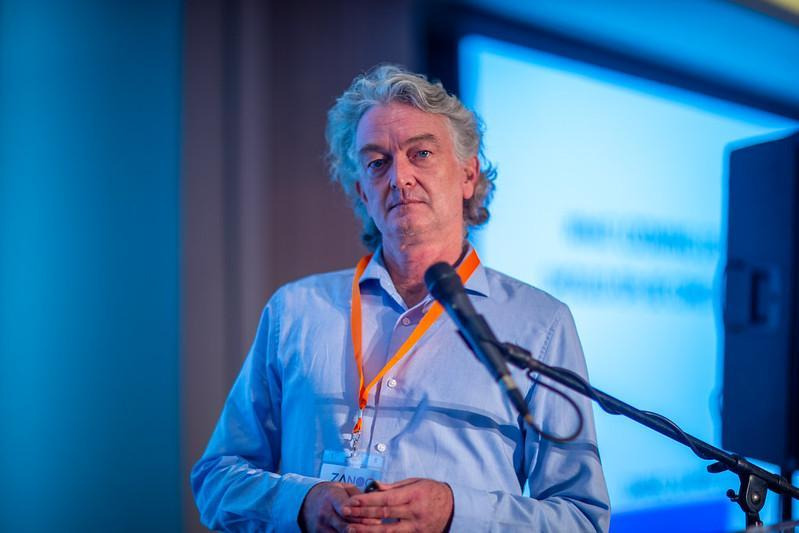 Dominic has extensive experience in advising on the commercial and regulatory aspects of new technology, broadcasting, and electronic communications ventures for local and international companies and policy and regulation in the ICT and telecommunications sectors.
Having spent 20 years advising the public and private sector on ICT legal issues, Dominic is involved at all stages of the communications law and regulation-making process and liaises closely with, inter alia, the Independent Communications Authority of South Africa (ICASA), Department of Communications and Digital Technologies (DCDT), Department of Justice and Constitutional Development, SAPS Cybercrime Division, National Gambling Board, and the Film and Publications Board on an ongoing basis.
With extensive contributions to the development of policy and laws at national and local government level in the area of electronic communications and infrastructure deployment, his clients include multinationals and industry associations. Dominic holds B.Bus.Sci. and LLB degrees and an LLM in Information Communication Technology.
Fatima Bhyat
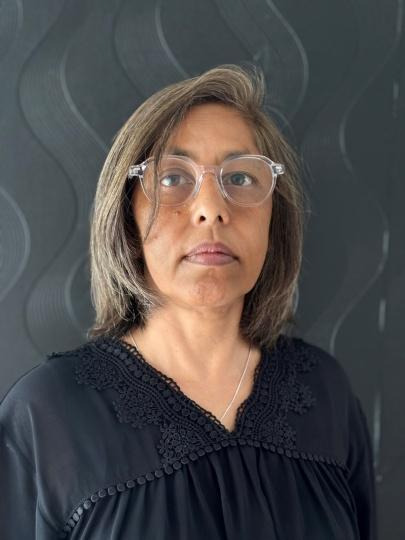
Fatima Bhyat is a seasoned professional with over 30 years of experience in the non-profit ICT sector. She began her career in financial administration and went on to develop expertise across technical systems, financial management, training and institutional strengthening, ultimately returning to a strong focus on financial and organisational leadership.
Her technical foundation was shaped during her tenure as technical manager at SANGONet, South Africa’s first public non-profit internet service provider. There, she played a pioneering role in supporting NGOs through early email services and later in delivering internet-based solutions, including web hosting, DNS registrations and training. Through this work, Fatima contributed to the broader internet ecosystem, serving on the Internet Service Providers’ Association (ISPA) Management Committee. She was also voted onto the first committee of the ZA Namespace. She stepped down from these roles in 2002.
Throughout her career, Fatima has delivered training on a wide range of technologies, including website development, Linux server setup, networking, wireless systems and digital security. In recent years, her work has focused on institutional strengthening, with particular emphasis on financial systems development, auditing, and grant management.
She currently serves as senior finance coordinator and institutional strengthening lead for the Local Networks (LocNet) initiative at the Association for Progressive Communications (APC), where she supports and strengthens community-centred connectivity initiatives.
Izak Minnaar
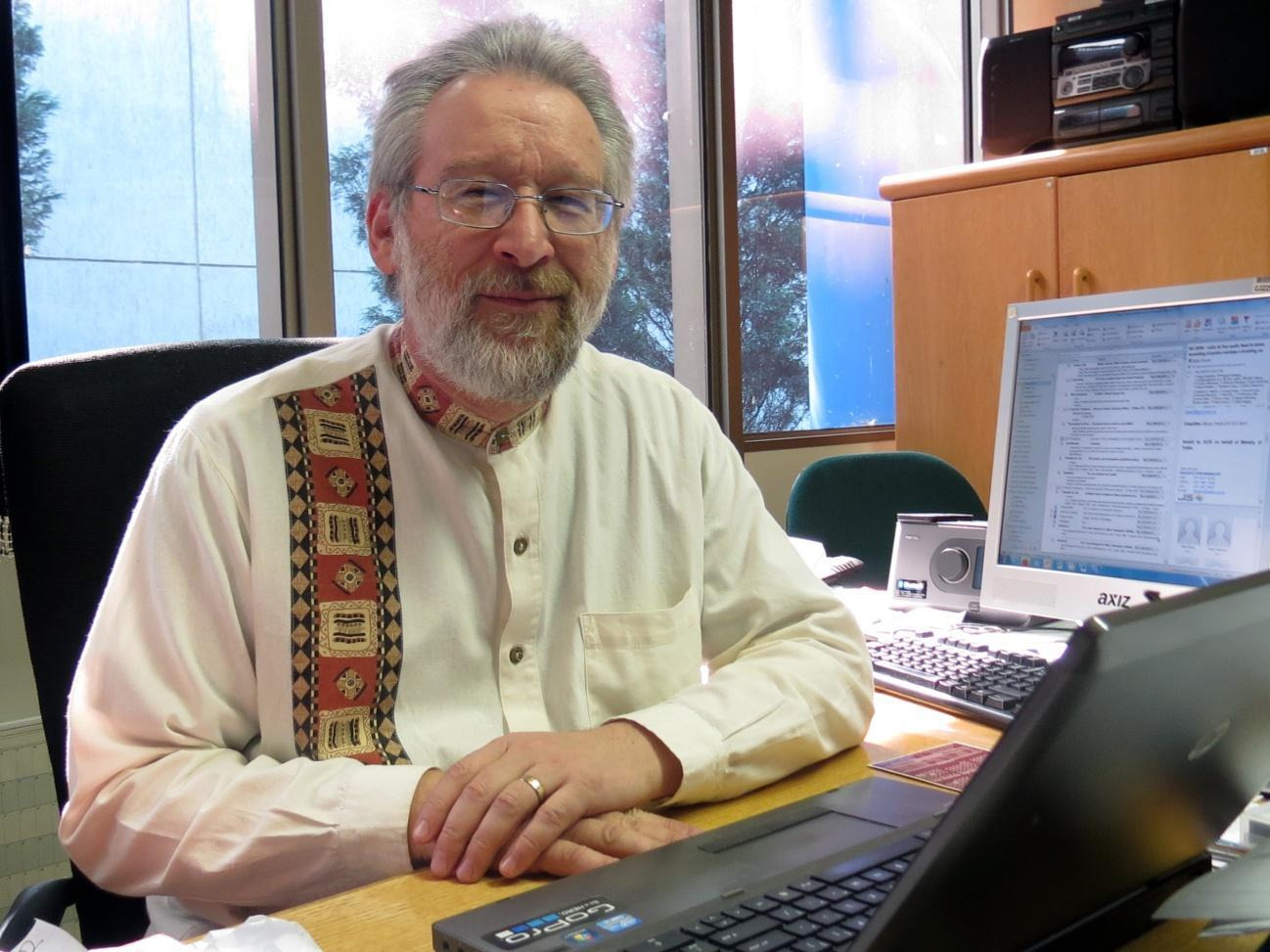
Izak Minnaar is a digital rights, journalism, media and elections consultant and trainer working as a free agent with a range of organisations in South Africa and globally.
Josephine Miliza

Josephine Miliza is a network engineer and ecosystem builder working at the intersection of connectivity, policy and community development. She is the global policy and regulation lead for the Local Networks (LocNet) initiative at the Association for Progressive Communications (APC), where she focuses on enabling policy and regulatory frameworks that support community-centred connectivity.
Her work in community networks began in 2015 when she co-founded TunapandaNET, Kenya’s first community network, which later became Tanda Community Network, in Kibera. There, she combined hands-on network deployment and operations with community engagement and fundraising, showing that locally owned connectivity could be viable and sustainable.
Since then, she has supported the growth of community networks across Africa through technical assistance, capacity building and peer learning. She works with practitioners, policy makers, regulators and funders to strengthen the ecosystem of locally led connectivity initiatives.
Josephine now focuses on shaping policy and regulatory environments to allow these models to emerge and scale. She has served on the United Nations Internet Governance Forum Multistakeholder Advisory Group and co-chaired the Africa Community Networks Summit, promoting inclusive participation and advancing women’s leadership within the connectivity and digital policy ecosystem.
Kathleen Diga
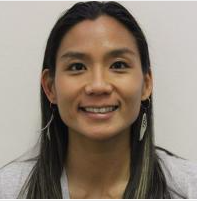
Kathleen has worked for over 15 years in the information and communication technology for development (ICT4D), research and civil society space. She is currently programme manager for the Association for Progressive Communications’ local access programme, which hosts the Local Networks (LocNet) initiative. LocNet facilitates learning and exchange amongst community-centred connectivity projects and persons in the Global South. She provides administrative oversight, overall coordination, strategic direction and monitoring, evaluation and learning functions. In her previous work, she helped to coordinate global and regional research teams and individuals around conference participation and research outputs. Her main focus of PhD research was in understanding the changing ICT asset portfolios within households in South Africa and how these are contributing to well-being and wealth changes, particularly among the marginalised.
Neo Magoro

Neo Magoro is the operations manager at Zuri Foundation NPC, based in Limpopo, where she plays a key role in driving operational efficiency and community-focused initiatives. Her professional background spans banking, customer care and education, equipping her with a well-rounded skill set in service delivery, stakeholder engagement and capacity building. Deeply passionate about teaching, Neo leads the Mamaila Community Network and Digital Mandhwane project, an initiative focused on advancing digital literacy in rural communities. Through this programme, she has successfully secured dedicated classroom time in three primary schools in the Sekgosese area, where she and her team deliver structured digital literacy lessons to over 280 learners twice a week.
Neo is a founding member of CNSA and an active consultant within the community networks space. She has collaborated with international organisations such as UNICEF (through the GIGA Project), APC and GDIP, contributing to initiatives aimed at expanding digital access and inclusion.
Driven by a strong commitment to knowledge sharing and community empowerment, Neo transitioned her career into communications and holds a degree in Communication Sciences from the University of South Africa and is currently furthering her studies toward a degree in Law, reflecting her dedication to continuous learning and social impact.
Phenyo Sekati

Phenyo Sekati (they/them) is a candidate legal practitioner at Power & Associates. Phenyo completed their BCom Law and LLB at the University of Pretoria and also holds an LLM degree in Human Rights and Democratisation in Africa from the Centre for Human Rights (CHR), based in the University of Pretoria. Whilst pursuing their LLM degree, Phenyo interned at the Kenyan Human Rights Commission and worked as a research assistant at the CHR’s Expression, Information and Digital Rights Unit. They worked as a Tech Rights Fellow at ALT Advisory, a public interest advisory firm associated with Power & Associates. Thereafter, they clerked at the Constitutional Court of South Africa with Justice Steven Majiedt.
Phenyo’s interests lie in digital rights advocacy, equality, inclusion, child law, and public international law, and regional law. They are particularly interested in the intersection of online harms, especially as it affects vulnerable communities. Phenyo is passionate about promoting the digital rights and inclusion of children, womxn, gender-diverse, and LGBTQIA+ individuals.
Rebecca Ryakitimbo

Rebecca Ryakitimbo is a feminist technologist, researcher and community
leader at the nexus of artificial intelligence, language data, gender justice and digital equity. She has held fellowships with Google, Mozilla, and the Internet Society, and is a National Geographic Society Explorer. Rebecca was part of the Kondoa Community Network, where she designed governance models and trained women technicians to close gender gaps in connectivity. As a National Geographic Explorer, she founded the Community-Based Wildlife Network to mitigate human-wildlife conflict through locally driven monitoring and coexistence strategies. Rebecca supports the African Women School of AI and curates the Gendering AI conference, creating spaces for feminist, decolonial and community-rooted conversations on the future of technology. As part of LocNet, she facilitates emerging communities of practice, supports research on community-centred connectivity and local services, and documents best practices for equitable, locally led digital ecosystems.
Risper Arose

Risper Arose is committed to leveraging technology as a catalyst for societal advancement, with a keen focus on learning and mentorship for community-centred connectivity and enhanced digital skills development. Since 2018, she has coordinated tech-centred advisories and training on digital rights, digital inclusion, advocacy, protection and privacy for grassroots communities.
Presently she continues to deliver on the capacity-building programme for community-centred connectivity with her current role as the Africa capacity building coordinator for the APC LocNet project under AFRALTI. In this role, she supports the satisfaction of existing training needs in Africa on community-centred connectivity, through the creation of learning communities on capacity building to support the development of courses and training needed, and to coordinate the development of regional hybrid training programmes promoted by LocNet and its partners.
She is also the partnership lead for the Tanda Community Network, with the goal of fostering relationships with the common goal of providing access to the knowledge, financing and tools as the resources required to help the community network demonstrate and scale social impact in the community.
She holds a Bachelor of Arts in Gender and Development (with Honours) Degree from Kenyatta University.
Sophie Smit
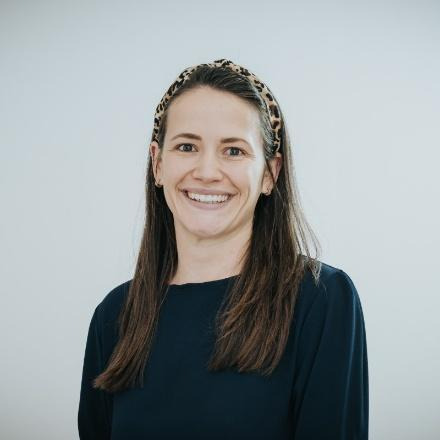
Sophie is an associate at ALT Advisory, currently awaiting admission as an attorney. She holds a BA and LLB degree from the University of the Witwatersrand, as well as an LLM in human rights, advocacy and litigation. Before joining ALT Advisory, she worked as a legal researcher at the Helen Suzman Foundation, where she spent four years conducting research and preparing submissions on a range of public law matters, particularly administrative and constitutional law. Sophie’s work spans human rights litigation, research and advocacy, focusing on information integrity, digital rights and the protection of vulnerable and marginalised groups. Her practice engages with the legal and policy challenges arising at the intersection of technology, freedom of expression and access to justice, including the safety of journalists, activists and human rights defenders in digital spaces. She has contributed to strategic litigation, research, and convening processes aimed at strengthening democratic accountability, advancing substantive equality and promoting inclusive, rights-based approaches to social cohesion. Sophie has gained experience across a range of matters, including gender-based violence, media viability, migration, and constitutional and administrative law, and regularly engages in public-facing legal education and advocacy initiatives.
Steve Song

Steve Song is senior director of Infrastructure Mapping and Development at the Internet Society. Since 2009, Steve has been actively maintaining public maps of undersea and terrestrial fibre optic infrastructure in Africa. He is currently working to advance the adoption of open data standards for describing the physical infrastructure of the internet. Previously, he worked with the Association for Progressive Communications, the Mozilla Corporation and the Network Resource Startup Center to support enabling policy and regulation for community-centred connectivity initiatives. He is also the founder of Village Telco, a social enterprise that manufactured low-cost Wi-Fi mesh VoIP technologies to deliver affordable voice and internet service in under-serviced areas. In addition, Steve worked at the International Development Research Centre (IDRC), where he led the organisation's ICTs for Development programme in Africa, funding research into the transformational potential of ICTs.
Tina Power

Tina is an attorney of the High Court of South Africa and a director at ALT Advisory. She specialises in human rights advocacy, research and training, with a focus on public law, access to justice and online safety. Her work spans research, policy reform, law reform and litigation to advance the application of rights in the digital age. She has worked on issues pertaining to access, digital literacy, safety and the responsibilities of both government and the private sector in advancing rights both on and offline. Her litigation and policy work have touched on the intersection of technology and elections, online safety and the evolving understanding of privacy and participation. She also works with civil society organisations to develop strategies to strengthen empowerment and agency for individuals and communities navigating the online world.
Uyanda Siyotula
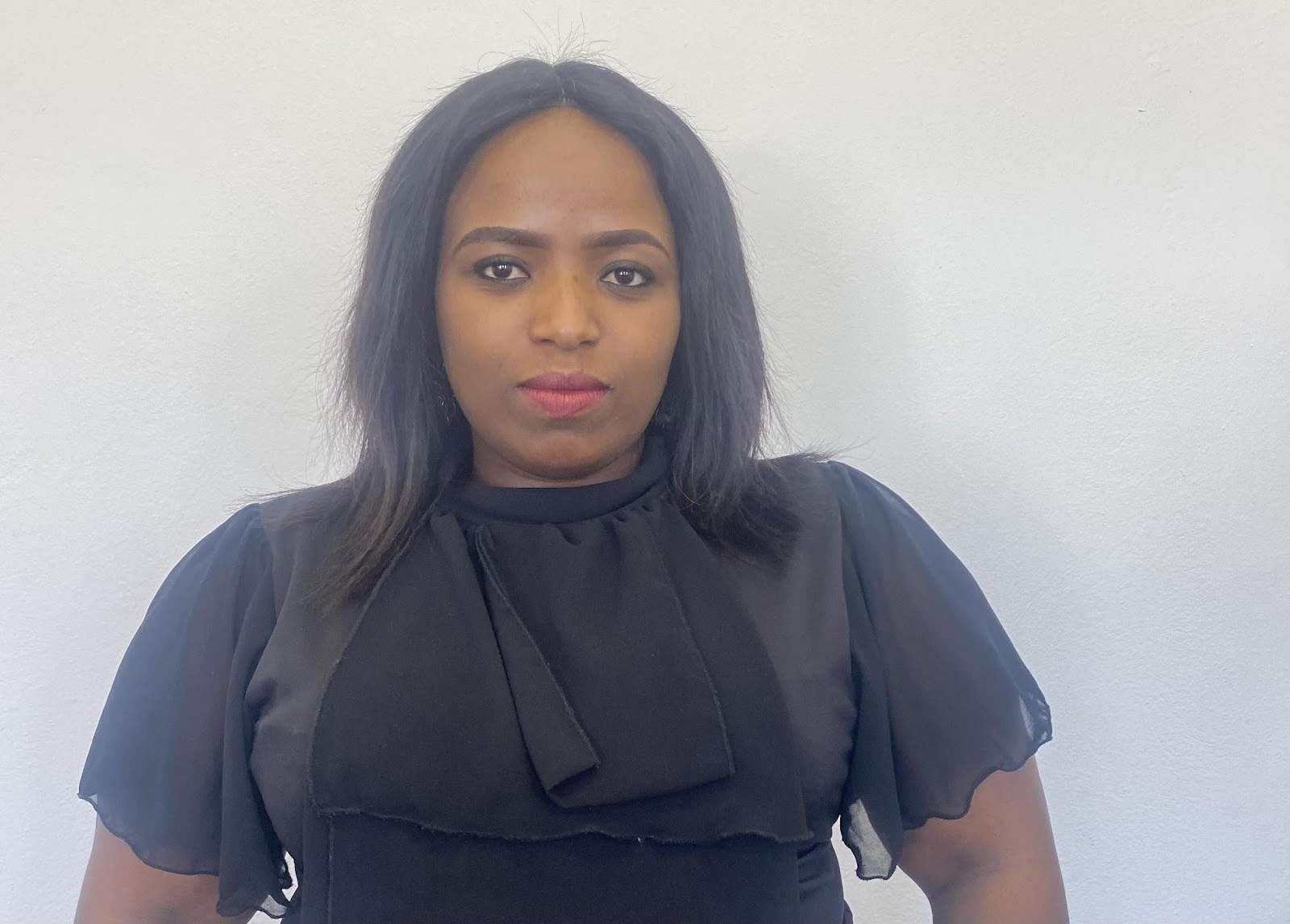
Uyanda is the national coordinator at the SOS Support Public Broadcasting Coalition, a member-based civil society platform representing a broad constituency committed to the strengthening and advancement of public service media (PSM) and access to public service content, in the public interest.
She is a media professional with a background in journalism, media studies and public relations. She holds a post-graduate qualification from the University of Witwatersrand.
Uyanda has participated in conferences, roundtable discussions locally and internationally, advancing discussions on the independence and sustainability of public service media as well as universal access to public service content.
Yumna Panday
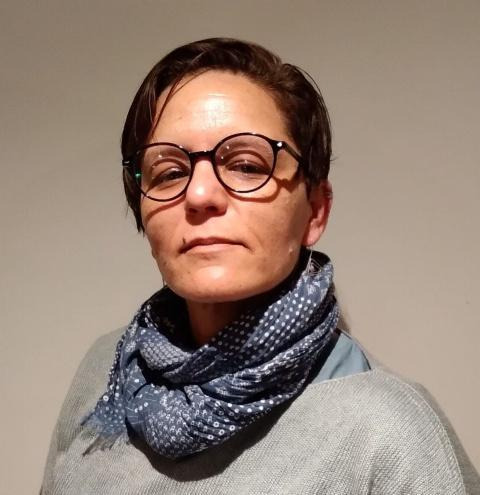
Yumna Panday serves as general manager at Zenzeleni Community Networks. Since joining Zenzeleni in 2019, she coordinates connectivity projects in rural Eastern Cape, South Africa’s most underserved province. Her work focuses on the practical aspects of bringing affordable and reliable connectivity and access to meaningful information through initiatives such as the Mankosi Solar Community Hub.
Since May 2025, Yumna represents Zenzeleni Networks NPC as the Association for Progressive Communications’ Local Networks (LocNet) national coordinator for South Africa. In her role at Zenzeleni, she works with community members, traditional authorities, funders and partner organisations to develop connectivity solutions that meet regulatory standards while addressing local needs.
Prior to joining Zenzeleni, Yumna worked in operations and coordination across different sectors. Beyond her core responsibilities, she pursues professional development through courses in monitoring and evaluation, social entrepreneurship and AI for operations.
Learn more form the South African School for Digital Policy, Community Networks edition.