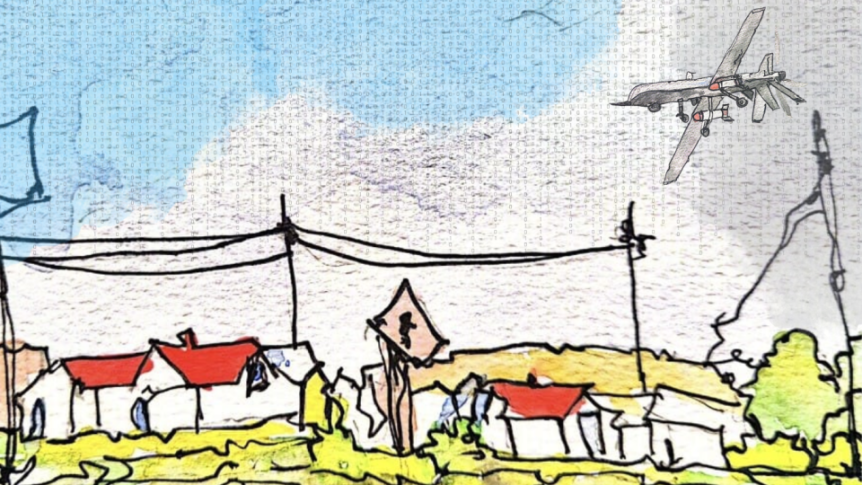


Across conflict zones and fragile democracies, technologies once imagined as tools of empowerment and exploration now serve as instruments of surveillance, repression and even killing. A series of investigations were conducted to explore how technology, whether simple or advanced, is weaponised against women human rights defenders (WHRDs) in conflict-affected states of Ethiopia, Kashmir, Pakistan, Sudan and Venezuela. The similarities in the patterns of technology-facilitated violence, across these states, are not incidental. These are intentional and structured through state policies, security doctrines and corporate designs driven by profit and capitalist greed. Armed actors then take these systems further, deploying them as tools of intimidation, oppression and direct violence.
In Ethiopia, conversations are intercepted, leaked and manipulated to silence and stigmatise. In Kashmir, civilians are conscripted into operating surveillance systems that erode privacy and intensify scrutiny of women defenders’ lives. In Lebanon, Israeli forces have deployed AI-driven targeting to strike journalists and defenders, erasing the civilian-combatant distinction. In Pakistan, trans defenders are exposed to digitally amplified hate, doxxing and public humiliation rooted in imported anti-trans narratives. In Sudan, the Rapid Support Forces have enforced long blackouts and monopolised satellite connections, severing defenders from their networks. In Venezuela, laws and applications criminalise dissent and invite communities to report each other, with women defenders singled out for gendered harassment and stripped of the ability to move freely.
Taken together, these contexts reveal a common pattern: technologies are weaponised in places where defenders are already vulnerable, amplifying risks and leaving women with no effective protection or legal recourse. Surveillance, digital harassment, blackouts and targeted strikes are not isolated incidents, but part of a broader trend where tools meant for communication and connection become instruments of control. For WHRDs, the consequences are compounded by gendered stigma that transforms political dissent into personal attack. In each case, accountability mechanisms are either absent or inaccessible, meaning the very structures that should safeguard rights are those through which violations are enacted.