



Security and privacy
With Big Tech monopolies owning many of the online services we regularly use, is there still a space (and an audience) for platforms and content outside this mostly proprietary ecosystem?

In Lebanon, the legal framework for privacy and data protection is in limbo, cybersecurity is minimal to non-existent, and citizens’ rights are neglected. SMEX has been following these issues closely, and now, it is expanding its work to serve as a watchdog over citizens’ digital data.
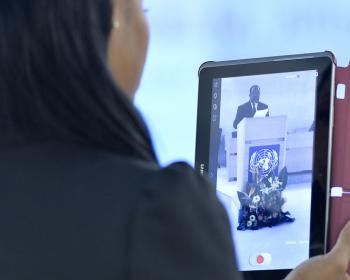
The HRC will hold its 47th session in Geneva from 21 June to 13 July. APC considers the HRC sessions an important opportunity to influence the formulation of international standards on human rights online and to raise awareness regarding violations of human rights online in specific countries.

APC joins in the condemnation of the suspension of Twitter services in Nigeria, and considers that this measure not only limits Nigerian citizens' exercise of their right to access information, but also other rights including freedom of expression, privacy, and freedom of assembly and association.
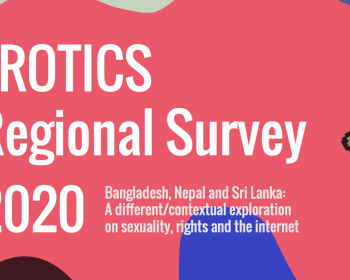
Between August 2018 and October 2020, APC’s partners carried out this regional survey related to sexuality on the internet in Bangladesh, Nepal and Sri Lanka. This publication is based on the country regional surveys conducted in local languages by EROTICS partners and focal points.
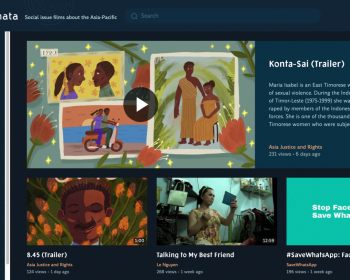
EngageMedia has launched Cinemata.org, a platform for social and environmental films about the Asia-Pacific that curates videos in a variety of styles and genres, including documentary, fiction, animation, experimental, and more.

APC sees RightsCon as a convening space for strategising and networking, as well as an opportunity to showcase APC’s work and perspectives on human rights in the digital space, a feminist internet, access and digital inclusion, social justice and environmental sustainability.
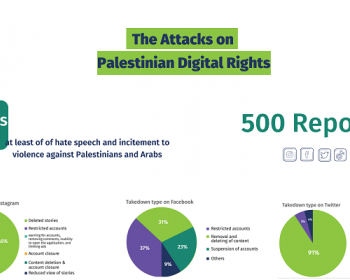
From 6 to 18 May 2021, 7amleh worked to document and respond to the digital rights violations occurring during the 2021 Israeli attacks on Gaza, on Palestinians in mixed cities in Israel, and forcible displacement of Palestinians in East Jerusalem.

When looking through the risk and danger that seemingly small decisions about online social media profiles can pose to queer-identifying individuals, the utopic narrative of the “levelling field” that the internet creates begins to fall apart.

This new preliminary report presents findings of a study that sought to establish the impact of a national identity card system in Uganda (commonly known as “Ndaga Muntu”) on people’s economic, social and cultural Rights (ESCRs), in relation to the state's obligation to provide services.

Association for Progressive Communications (APC) 2022
Unless otherwise stated, content on the APC website is licensed under Creative Commons Attribution 4.0 International (CC BY 4.0)